Source Wrought Iron Log Rack for Home, Indoor, and Industrial Use
Compare 30 listings for Wrought Iron Log Rack options including custom sizes and powder-coated finishes. Buyers can evaluate specifications like material, dimensions, and surface treatment for home decor or industrial applications.
Key considerations
Products List

Black Simple Wrought Iron Ledge Meta Iron Log Rack with Black Floor Flange
$51.59 - $55.79
MOQ: 1 Pieces
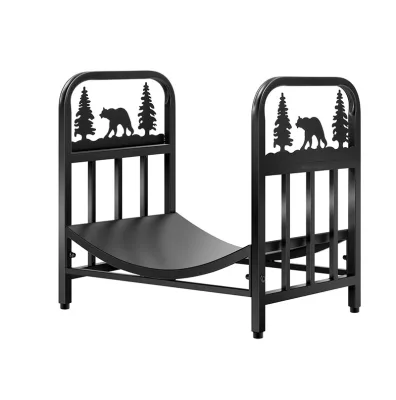

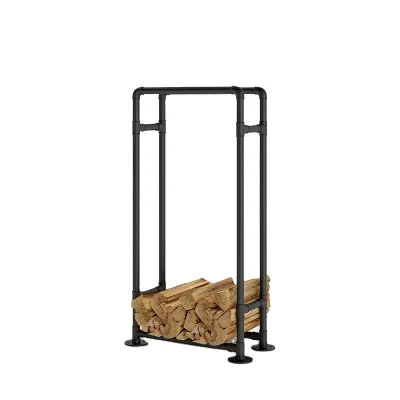
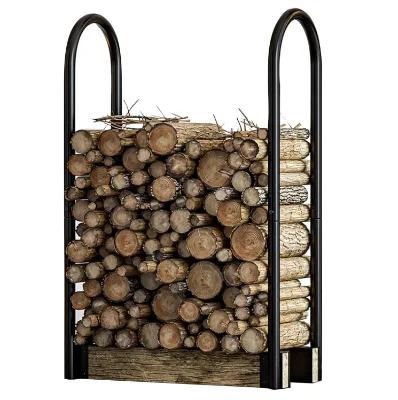
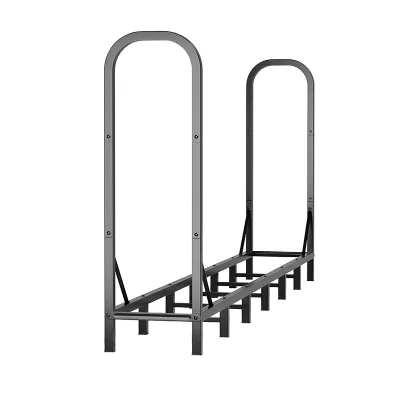




Comprehensive Sourcing Guide
Wrought Iron Log Rack Sourcing Guide
Sourcing wrought iron log racks requires a nuanced understanding of the intersection between industrial manufacturing capabilities and residential aesthetic demands. The market for these storage solutions is diverse, ranging from heavy-duty commercial units designed for high-traffic environments to delicate, decorative pieces intended for modern home interiors. Buyers must navigate a landscape where material specifications, surface treatments, and customization options vary significantly between suppliers. This guide provides a structured approach to evaluating potential suppliers, verifying technical specifications, and ensuring that the final product meets both functional and aesthetic requirements. By focusing on evidence-based verification and clear commercial terms, procurement teams can mitigate risks associated with quality inconsistencies and supply chain disruptions.
The following sections outline the critical steps for sourcing wrought iron log racks, drawing on observed market signals and standard industry practices. Each section is designed to help buyers make informed decisions at every stage of the procurement process, from initial supplier identification to long-term relationship management. The goal is to provide a comprehensive framework that balances cost efficiency with quality assurance, ensuring that the sourced products align with the buyer’s brand standards and customer expectations.
Product Scope and Observed Listing Signals
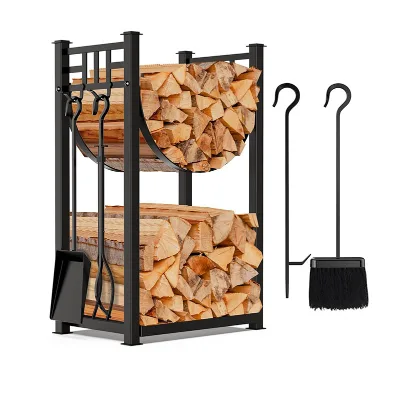
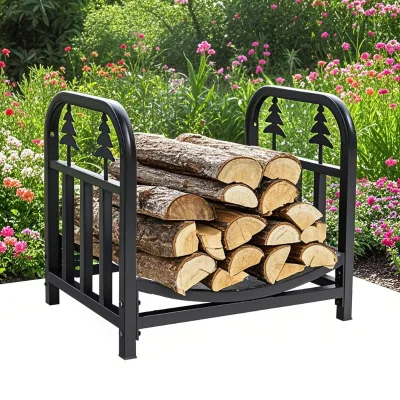
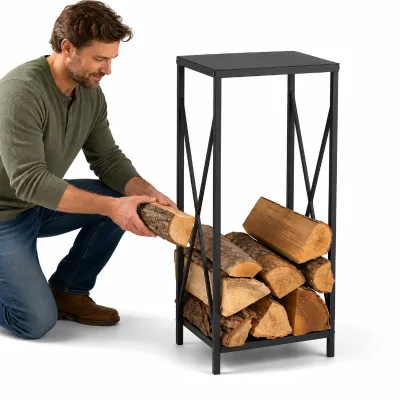
The current market for wrought iron log racks exhibits a wide range of product configurations, reflecting the diverse needs of both industrial and residential buyers. Observed listings indicate that products are typically categorized by their application, with some units designed for industrial pipe shelves and others tailored for home decor and indoor firewood storage. This divergence in application necessitates careful scrutiny of product descriptions to ensure alignment with the intended use case. For instance, racks intended for industrial settings may prioritize structural integrity and load-bearing capacity, while those for home decor may emphasize aesthetic features such as shape, finish, and style. Buyers should pay close attention to these distinctions to avoid mismatches between product capabilities and end-user requirements.
Surface treatment and finish are critical differentiators in the Wrought Iron Log Rack market, with options such as electrophoretic coating and powder coating being commonly observed. These treatments not only enhance the visual appeal of the product but also provide essential protection against corrosion and wear. The choice of finish can significantly impact the product’s durability and suitability for different environments, particularly those with high humidity or frequent use. Additionally, the availability of customization options, including logo printing and bespoke sizing, allows buyers to tailor products to their specific brand identity and functional needs. However, these customizations often come with minimum order quantities (MOQs) that can range from a single piece to hundreds of units, influencing the overall procurement strategy.
Technical Specifications to Verify
Verifying technical specifications is paramount when sourcing wrought iron log racks, as these details directly impact the product’s performance and longevity. Key attributes to confirm include the material composition, thread type, and dimensional accuracy. While wrought iron is the core keyword, observed listings also mention iron as a primary material, highlighting the need for precise material verification to ensure the desired properties are met. Buyers should request detailed material certificates or conduct independent testing to confirm the alloy composition and structural integrity. Additionally, specifications such as thread type (e.g., BSP) and size variations (e.g., 1/2", 3/4", 1") must be clearly defined to ensure compatibility with existing infrastructure or design requirements.
Packaging and shipping dimensions are equally important considerations, as they affect logistics costs and product protection during transit. Observed data indicates that single package sizes can vary significantly, with dimensions such as 25x35x48 cm and 46x30x20 cm being common. Buyers should verify these dimensions to optimize container space and minimize shipping expenses. Furthermore, the condition of the product upon arrival is crucial, with most listings indicating that items are new and unfolded. However, the risk of damage during transit remains a concern, making it essential to review packaging methods, such as the use of plastic film or carton boxes, to ensure adequate protection. Clear communication with suppliers regarding packaging standards can help prevent damage and reduce the likelihood of returns or disputes.
Compliance and Safety Documentation
Compliance and safety documentation are essential components of the sourcing process, particularly for products that will be used in residential or commercial settings. Buyers should ensure that suppliers provide relevant certifications and test reports that verify the product’s adherence to safety standards. While specific standards may vary by region, common requirements include compliance with fire safety regulations, material safety certifications, and environmental standards. For wrought iron log racks, this may involve verifying that the powder coating or electrophoretic finish is free from harmful substances and meets eco-friendly criteria. Buyers should request documentation that confirms these attributes, as they are increasingly important to consumers and regulatory bodies alike.
In addition to product-specific certifications, buyers should also verify the supplier’s compliance with broader industry standards and ethical sourcing practices. This includes ensuring that the manufacturing process adheres to labor laws, environmental regulations, and quality management systems. Suppliers that are transparent about their compliance efforts are more likely to deliver consistent quality and maintain long-term reliability. Buyers should also consider the potential impact of geopolitical factors on supply chain stability, particularly if the supplier is located in a region with known regulatory challenges. By prioritizing suppliers with robust compliance frameworks, buyers can mitigate risks associated with legal liabilities and reputational damage.
Cost Drivers and Commercial Terms
Understanding the cost drivers and commercial terms associated with wrought iron log racks is crucial for effective budgeting and negotiation. Key factors influencing cost include material prices, labor costs, customization requirements, and order volume. Observed data indicates that prices can range from $4.50 to $55.79 per unit, reflecting the wide variation in product complexity and quality. Buyers should analyze these price ranges in the context of their specific requirements, considering whether lower prices correlate with reduced quality or limited customization options. Additionally, MOQs can significantly impact unit costs, with lower MOQs often resulting in higher per-unit prices due to the fixed costs of production setup.
Payment terms and shipment conditions are also critical components of the commercial agreement. Common payment methods include T/T (Telegraphic Transfer) and L/C (Letter of Credit), each offering different levels of security and flexibility for buyers. Buyers should negotiate terms that align with their cash flow needs and risk tolerance, ensuring that payments are structured to protect against non-delivery or quality issues. Shipment conditions, such as delivery timelines and incoterms, should be clearly defined to avoid misunderstandings and additional costs. By establishing clear commercial terms upfront, buyers can foster a transparent and collaborative relationship with their suppliers, reducing the potential for disputes and ensuring a smooth procurement process.
Supplier Qualification and Quality Control
Supplier qualification and quality control are foundational to successful sourcing, particularly for products like wrought iron log racks that require precise manufacturing and finishing. Buyers should conduct thorough due diligence on potential suppliers, assessing their production capabilities, quality management systems, and track record. This includes verifying the supplier’s ability to meet customization requests, such as logo printing and bespoke sizing, without compromising on quality. Buyers should also request samples or conduct factory audits to evaluate the supplier’s production processes and quality control measures. These steps help ensure that the supplier can consistently deliver products that meet the buyer’s specifications and standards.
Implementing a robust quality control plan is essential to maintaining product consistency and minimizing defects. This plan should include pre-production inspections, in-process checks, and final product evaluations to identify and address issues early in the manufacturing cycle. Buyers should work closely with suppliers to establish clear quality criteria and testing protocols, ensuring that all products undergo rigorous inspection before shipment. Additionally, buyers should consider implementing a post-delivery quality assessment to evaluate the product’s performance in real-world conditions. By prioritizing supplier qualification and quality control, buyers can build a reliable supply chain that delivers high-quality products and supports long-term business success.
Long-Term Procurement Checks
Long-term procurement checks are vital for maintaining a sustainable and efficient supply chain for wrought iron log racks. Buyers should regularly review supplier performance metrics, including delivery times, product quality, and responsiveness to issues. These metrics provide valuable insights into the supplier’s reliability and help identify areas for improvement. Buyers should also monitor market trends and technological advancements that may impact the sourcing process, such as new materials or manufacturing techniques. By staying informed about industry developments, buyers can proactively adapt their sourcing strategies to remain competitive and cost-effective.
Building a strong, collaborative relationship with suppliers is another key aspect of long-term procurement success. Buyers should engage in open and transparent communication, sharing feedback and expectations to foster mutual trust and understanding. This includes discussing potential challenges, such as supply chain disruptions or regulatory changes, and working together to develop mitigation strategies. By investing in supplier relationships, buyers can secure preferential treatment, such as priority production slots or favorable pricing, which can enhance their competitive advantage. Ultimately, a focus on long-term procurement checks and supplier collaboration ensures a resilient and adaptable supply chain that supports the buyer’s strategic objectives.
FAQs
What material is used for the Wrought Iron Log Rack?
The Wrought Iron Log Rack is constructed from iron to ensure durability. This material supports heavy loads while maintaining a modern style suitable for indoor firewood storage applications.
Can the Wrought Iron Log Rack be customized?
Yes, the Wrought Iron Log Rack offers full customization options for buyers. OEM and ODM services are welcomed, allowing for tailored sizes, logos, and specific design requirements to meet unique needs.
What is the minimum order quantity for the Wrought Iron Log Rack?
The minimum order quantity for the Wrought Iron Log Rack starts at one piece. Some specific listings may require a minimum of 100 pieces, so buyers should verify the exact requirement for their selected model.
How is the Wrought Iron Log Rack finished?
The Wrought Iron Log Rack features a powder-coated finish for enhanced protection. Additional surface treatments like electrophoretic coating are available to ensure the black color remains durable and resistant to wear.
Where is the Wrought Iron Log Rack manufactured?
The Wrought Iron Log Rack originates from Fujian, China. This location serves as the primary production hub for these industrial and home decor items before they are shipped to international destinations.
What payment methods are accepted for the Wrought Iron Log Rack?
Buyers can pay for the Wrought Iron Log Rack using T/T or L/C methods. These standard payment terms ensure secure transactions for both small and large order quantities placed with the supplier.
How is the Wrought Iron Log Rack packaged for shipment?
The Wrought Iron Log Rack is packaged in cartons or brown boxes with individual plastic film protection. Each unit is packed separately to prevent damage during transit, with specific dimensions varying by model.